-
Nincs kép
Understanding the psychological triggers behind gambling behavior
The Allure of Risk and Reward
The nature of gambling is deeply intertwined with the concepts of risk and reward. Many individuals are drawn to the thrill of potentially winning significant amounts of money, which creates a heightened sense of excitement. This excitement is often amplified by the unpredictability of outcomes, where each bet feels like a leap into the unknown. This sensation can trigger the brain's reward system, releasing dopamine and reinforcing the desire to continue gambling. In this context, it's worth examining options like non gamstop casino sites to understand their appeal.
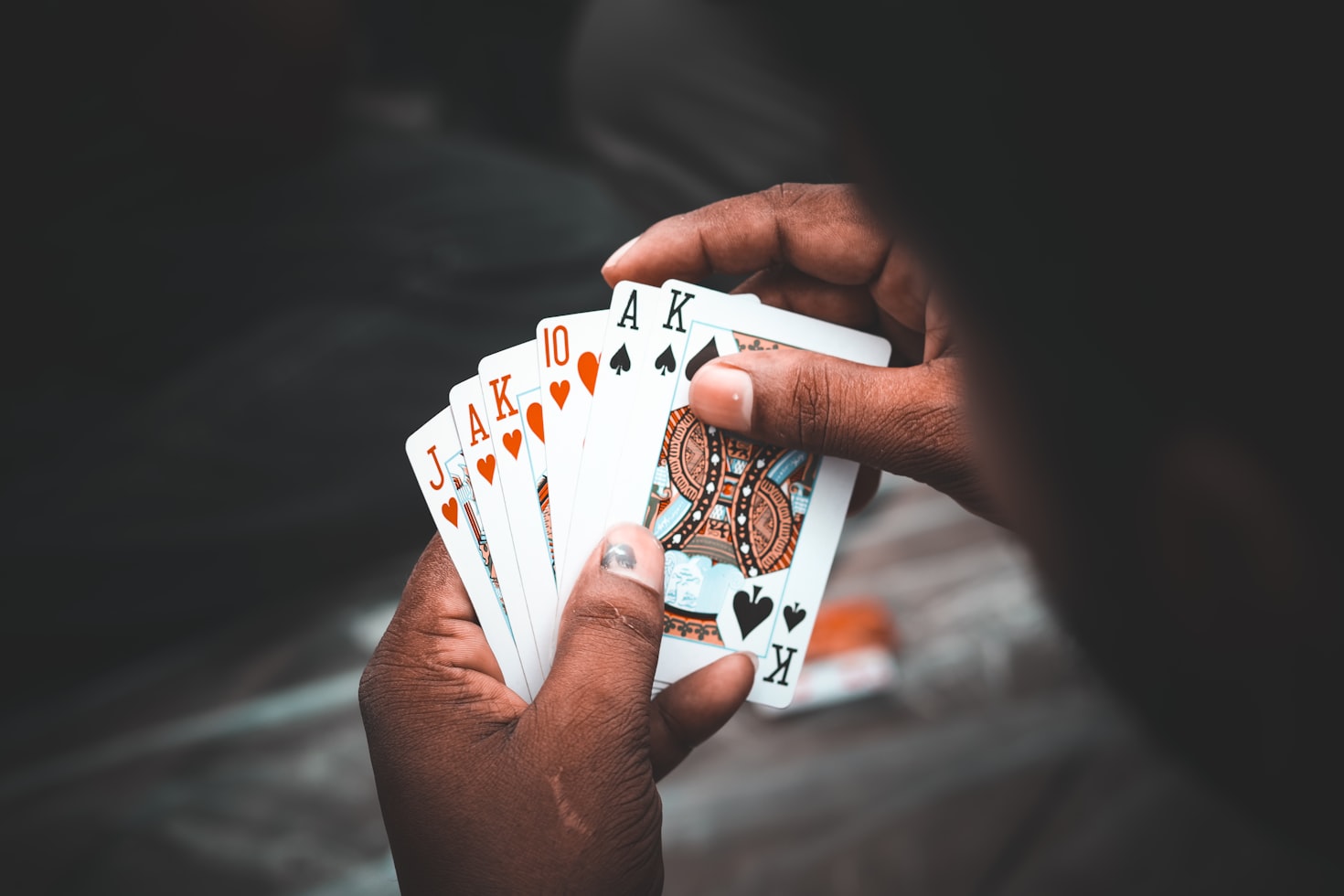
This desire is not solely about monetary gain. The emotional highs and lows associated with gambling?like the rush of a near win or the disappointment of a loss?can create a complex psychological landscape. For some, this cycle of excitement and disappointment can become addictive, as they continuously chase that elusive win that validates their decisions.
Cognitive Biases in Gambling
Cognitive biases play a significant role in gambling behavior, often leading individuals to make irrational decisions. One common bias is the illusion of control, where gamblers believe they can influence the outcome of a game, such as poker or blackjack, through skill or strategy. This misguided belief can lead to increased gambling, as players feel empowered by their supposed abilities. Understanding these advanced strategies can help mitigate the impact of such biases.
Another notable cognitive bias is the gambler's fallacy, which is the belief that past outcomes influence future results. For instance, a player may think that if a number hasn?t come up in a roulette game, it is "due" to appear soon. Such misconceptions can skew judgment and encourage further gambling, often resulting in significant financial losses.
Emotional Factors and Escapism
The emotional aspect of gambling cannot be overlooked. Many individuals turn to gambling as a form of escapism, using it as a way to cope with stress, anxiety, or depression. The excitement of gambling can provide a temporary distraction from everyday problems, allowing individuals to experience a sense of control and achievement that may be lacking in other areas of their lives.
Unfortunately, this form of escapism can lead to a cyclical pattern, where losses and mounting debts increase stress and anxiety, prompting further gambling as a misguided solution. This emotional rollercoaster can lead to a harmful cycle that is difficult to break without intervention or support.
Social Influence and Group Dynamics
The social environment in which an individual gambles also plays a crucial role in shaping their behavior. Peer pressure, social norms, and group dynamics can significantly influence the decision to gamble and the extent of one's gambling activities. For instance, participating in group games or betting events can create a sense of camaraderie that reinforces gambling behavior, making it feel more acceptable or even necessary.
Additionally, the social approval that often accompanies gambling can lead to a normalization of excessive betting behaviors. As individuals observe friends or family members engaging in gambling, they may be more likely to adopt similar habits, creating a culture of gambling that can be difficult to break free from.

Learn More About Gambling Behavior
To gain a deeper understanding of the psychological triggers behind gambling behavior, it's important to consider various perspectives, including psychological, social, and emotional factors. Engaging in discussions and seeking resources can provide valuable insights into the complexities of gambling.
For those looking to explore these themes further, our website offers a range of articles, expert interviews, and resources aimed at raising awareness about gambling behavior and its impacts. By informing oneself and others, it becomes easier to recognize the signs of problematic gambling and seek help when necessary.
.-